A good fitness tracker does one thing well: it keeps you honest about your movement, sleep, and recovery. After testing the current field, the Fitbit Charge 6 is our top pick for most people — it has the best health sensor suite in its price range without forcing you into a subscription to access the data that matters.
Quick Picks
| Pick | Product | Best For |
|---|---|---|
| Top Pick | Fitbit Charge 6 | Health tracking, sleep monitoring, most users |
| Best for iPhone | Apple Watch SE (2nd Gen) | iPhone integration, notifications, crash detection |
| Best for Runners | Garmin Forerunner 55 | GPS running, long battery, training metrics |
| Best for Android | Samsung Galaxy Watch 6 | Android integration, body composition, sleep coaching |
| Best Budget | Amazfit Band 7 | Basic tracking, long battery, under $50 |
Top Pick: Fitbit Charge 6

The Fitbit Charge 6 is the tracker to get if you want serious health data in a slim, comfortable band. It includes ECG monitoring, continuous EDA stress tracking, skin temperature sensing, and Google Maps and Wallet integration — features that push well beyond what most competitors offer at this price. Battery life hits around 7 days, and the sleep analysis is best-in-class.
Pros: ECG, EDA stress tracking, Google integration, excellent sleep data, 7-day battery
Cons: Some premium features behind Fitbit Premium, no built-in GPS
See the Fitbit Charge 6 on Amazon
Best for iPhone Users: Apple Watch SE (2nd Gen)

If you’re on iPhone, the Apple Watch SE is the smartest value Apple makes. You get crash detection, fall detection, emergency SOS, Activity rings, and seamless notification handling — everything most people actually use from an Apple Watch at a fraction of the Series 9 price.
Pros: Best iPhone integration, crash detection, lightweight, watchOS ecosystem
Cons: Requires iPhone, shallower fitness metrics than Garmin/Fitbit, no always-on display
See the Apple Watch SE on Amazon
Best for Runners: Garmin Forerunner 55

The Forerunner 55 is purpose-built for runners who want accurate GPS, structured workout suggestions, and a battery that doesn’t need charging every few days. GPS data is noticeably more accurate than wrist-based optical tracking. The Suggested Workouts feature builds daily training plans based on your fitness level — and 20-day battery life means you’ll actually have data when you need it.
Pros: Built-in GPS, 20-day battery, excellent running metrics, Suggested Workouts
Cons: Basic display, limited smartwatch features
See the Garmin Forerunner 55 on Amazon
Best for Android Users: Samsung Galaxy Watch 6
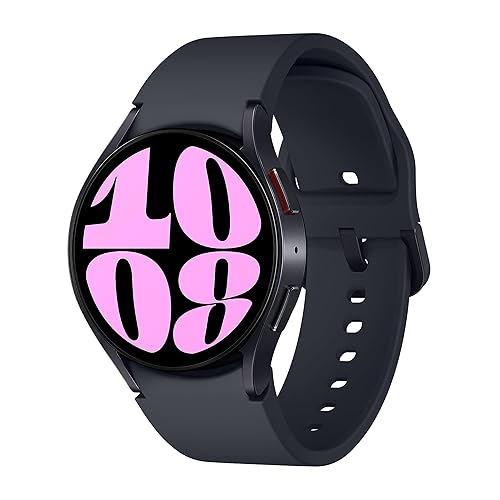
Samsung’s Galaxy Watch 6 is the best Android smartwatch experience available. The body composition sensor (BIA) tracks muscle mass and body fat percentage alongside standard metrics. Sleep coaching is Samsung’s standout feature — it analyzes your patterns over a week and gives actionable guidance rather than just numbers.
Pros: Body composition sensor, excellent sleep coaching, best Android integration, polished UI
Cons: 1.5-day battery on larger models, best with Samsung phones
See the Samsung Galaxy Watch 6 on Amazon
Best Budget: Amazfit Band 7
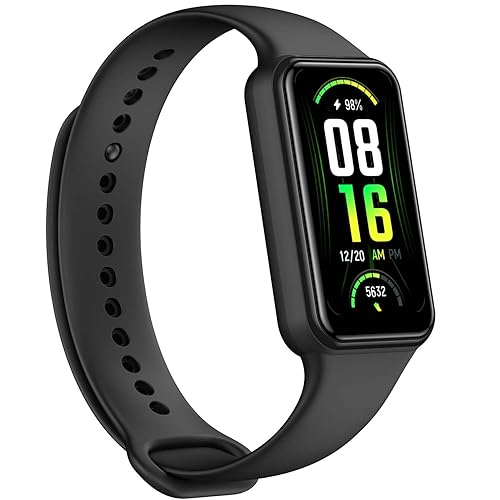
The Amazfit Band 7 packs 18-day battery life, a large AMOLED display, SpO2 monitoring, stress tracking, and 120+ workout modes into a band that costs under $50. The Zepp app is decent and the health data is reliable for day-to-day use. For someone who wants to track steps, sleep, and workouts without spending much, it’s the best value band on the market.
Pros: 18-day battery, large display, 120+ sports modes, under $50
Cons: Basic smartwatch functions, limited app ecosystem
See the Amazfit Band 7 on Amazon
How to Choose a Fitness Tracker
Start with your phone: iPhone users will get the most out of Apple Watch; Android users generally pair better with Fitbit, Samsung, or Garmin. If you run seriously, built-in GPS is worth paying for. Battery life is the hidden variable most reviews undersell — a tracker that needs daily charging tends to get left on the nightstand, losing all your sleep data. For most people, 5 to 7 days minimum is the practical threshold.
The Bottom Line
Most people will be well served by the Fitbit Charge 6 — it’s the best all-around health tracker at its price. If you’re in the Apple or Samsung ecosystem, go with the matching option. And if budget is the priority, the Amazfit Band 7 will surprise you.
Frequently Asked Questions
What’s the difference between a fitness tracker and a smartwatch?
Fitness trackers focus narrowly on health metrics — steps, heart rate, sleep, and workouts — with simpler displays and 7–14 day battery life. Smartwatches add notifications, apps, and payments at the cost of battery life (1–3 days). If health tracking is your primary goal, a tracker gives more battery for less money.
Are fitness trackers accurate for heart rate and sleep tracking?
Optical wrist-based heart rate tracking is accurate enough for steady-state cardio and resting HR, but less reliable during high-intensity intervals. Sleep tracking has improved significantly — current trackers reliably distinguish light, deep, and REM sleep, though they’re not medical-grade.
How long should a fitness tracker battery last?
Most dedicated fitness trackers last 7–14 days per charge. Smartwatches with GPS and always-on displays typically need daily or every-other-day charging. If battery life is a priority, Garmin and Amazfit consistently outperform Apple Watch and Galaxy Watch at the same or lower price.
Are fitness trackers worth it if I’m just starting to get active?
Yes — the data visibility often motivates beginners more than experienced athletes. Seeing step counts, sleep quality, and resting heart rate trends gives concrete feedback on progress. Start with a mid-range option around $80–$150 rather than a $400 smartwatch until you know what features you actually use.