Looking for the best cameras for YouTube beginners? Starting a YouTube channel is exciting, but choosing the right camera can feel overwhelming. With dozens of options at every price point, how do you know which one will actually help you make great videos without blowing your budget? We’ve spent weeks researching, comparing specs, and analyzing real-world footage to find the best cameras for YouTube beginners on the market. Whether you’re shooting vlogs, tutorials, product reviews, or sit-down content, this roundup of the best cameras for YouTube beginners in 2026 breaks down the top 10 — from compact pocket cameras under $400 to feature-packed mirrorless options under $1,000. What we looked for: 4K video capability, reliable autofocus, flip-out screens, built-in stabilization, audio quality, ease of use, and overall value for money.
Quick Comparison: Best Cameras for YouTube Beginners
| Camera | Best For | Resolution | Price | Our Rating |
|---|---|---|---|---|
| Sony ZV-E10 II | Best Overall | 4K/60p | ~$999 | 9.5/10 |
| Canon EOS R50 | Best Value | 4K/30p | ~$679 | 9.2/10 |
| DJI Osmo Pocket 3 | Best for Vlogging on the Go | 4K/120p | ~$519 | 9.0/10 |
| Sony ZV-1F | Best Compact Camera | 4K/30p | ~$498 | 8.8/10 |
| Fujifilm X-M5 | Best Video Quality | 6K/30p | ~$899 | 9.0/10 |
| Canon EOS R100 | Best Budget Mirrorless | 4K/24p | ~$479 | 8.3/10 |
| Panasonic Lumix G100 | Best Audio Built-In | 4K/30p | ~$448 | 8.2/10 |
| Canon PowerShot V1 | Best Pocketable Option | 4K/30p | ~$499 | 8.5/10 |
| Sony ZV-1 II | Best All-Around Compact | 4K/30p | ~$898 | 8.7/10 |
| GoPro HERO13 Black | Best for Action Content | 5.3K/30p | ~$399 | 8.0/10 |

1. Sony ZV-E10 II — Best Overall for YouTube Beginners
Price: ~$999 (body only) | ~$1,099 (with 16-50mm kit lens) If you can stretch your budget to around $1,000, the Sony ZV-E10 II is hands-down the best camera you can buy for starting a YouTube channel. It’s the camera we’d recommend to almost any beginner, and here’s why. The 26-megapixel APS-C sensor delivers stunning 4K video at up to 60fps, and the supersampled output means your footage looks incredibly sharp and detailed. Sony’s autofocus system is best-in-class. It locks onto your face instantly and tracks you as you move, which is a lifesaver when you’re recording solo. Pros:- Exceptional 4K/60p video with minimal rolling shutter
- Industry-leading autofocus with real-time face and eye tracking
- Interchangeable lenses for future growth
- Flip-out vari-angle screen for selfie-style shooting
- Lightweight and compact for a mirrorless camera
- Higher price point at ~$999 body only
- Kit lens is decent but not exceptional in low light
- No built-in stabilization

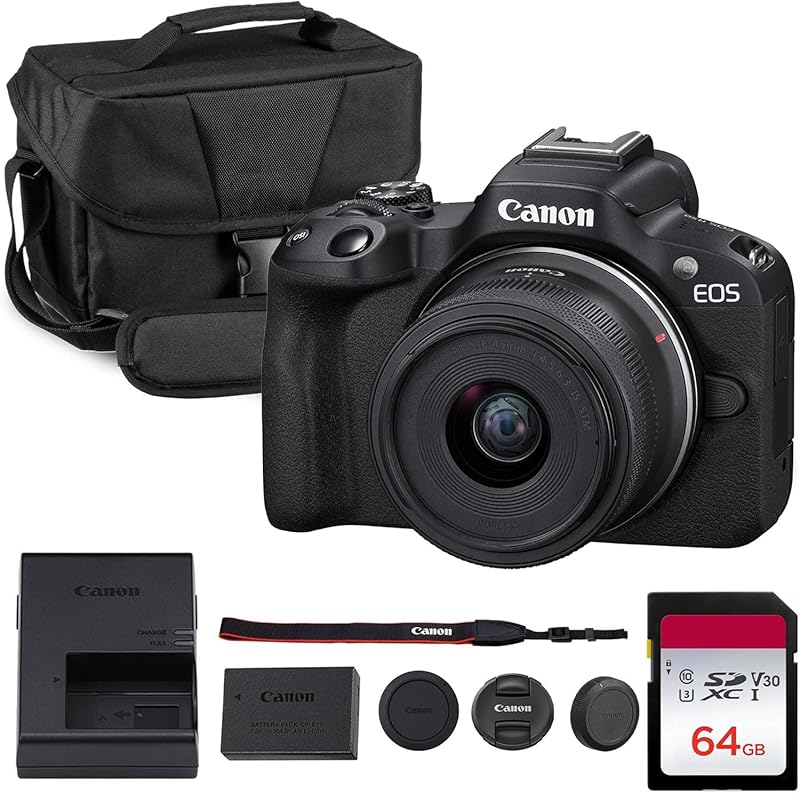
2. Canon EOS R50 — Best Value for Beginners
Price: ~$679 (body only) | ~$799 (with 18-45mm kit lens) The Canon EOS R50 hits the sweet spot between price and performance. Canon designed this camera specifically for content creators and social media users. The 24.2-megapixel sensor produces clean, vibrant footage in 4K, and Canon’s Dual Pixel CMOS AF II autofocus system is fast and reliable. Pros:- Excellent price-to-performance ratio
- Outstanding Canon color science (great skin tones)
- Reliable face/eye tracking autofocus
- Fully articulating touchscreen
- Lightweight at just 375g
- 4K recording limited to 30fps
- Noticeable crop in 4K mode
- No headphone jack

3. DJI Osmo Pocket 3 — Best for Vlogging on the Go
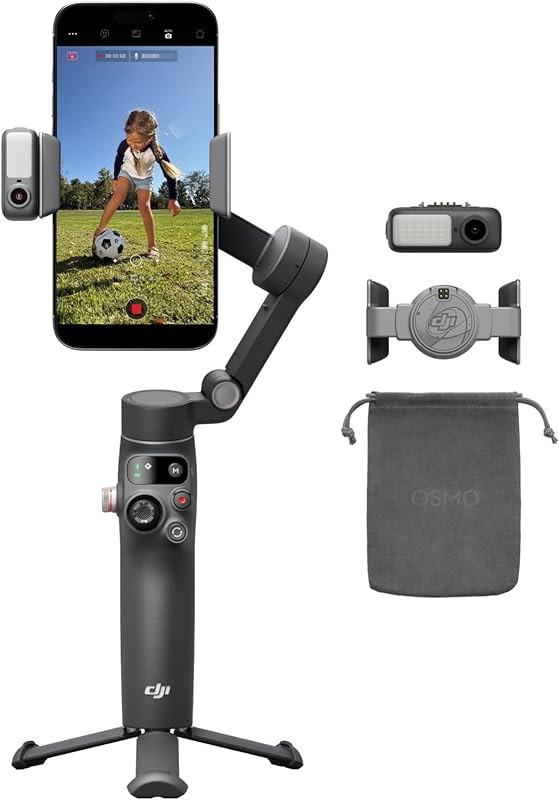
Price: ~$519 (standard) | ~$569 (Creator Combo) The DJI Osmo Pocket 3 is unlike anything else on this list. This tiny gimbal camera fits in your pocket but shoots stabilized 4K footage that looks buttery smooth. The built-in 3-axis gimbal means your footage is mechanically stabilized, not just electronically cropped. Pros:- Best-in-class stabilization (built-in 3-axis gimbal)
- Incredibly portable
- 1-inch sensor for solid image quality
- 4K/120fps for smooth slow-motion
- Rotatable screen for vertical video
- Fixed wide-angle lens
- Battery life is average (~2 hours)
- Not ideal for sit-down studio content


4. Sony ZV-1F — Best Compact Camera Under $500
Price: ~$498 The Sony ZV-1F is the perfect bridge camera for stepping up from a smartphone. The 1-inch sensor gives you better low-light performance and background blur. Sony’s autofocus locks on instantly and the large record button makes it dead simple to use. Pros:- Affordable at ~$498
- Excellent autofocus
- Built-in directional microphone
- Background Defocus button
- Lightweight and pocketable
- Fixed 20mm wide-angle lens
- 4K limited to 30fps
- No viewfinder


5. Fujifilm X-M5 — Best Video Quality Under $1,000
Price: ~$899 (body only) The Fujifilm X-M5 shoots 6K video in 10-bit color — specs that would have cost $2,000+ just a couple of years ago. Fujifilm’s Film Simulations give your footage a cinematic, film-like look straight out of camera. Pros:- 6K/30p video with 10-bit color
- Gorgeous Film Simulations
- Built-in directional microphone
- Compact and lightweight
- Excellent lens ecosystem
- Autofocus not quite on par with Sony or Canon
- No in-body stabilization
- Menu system has a learning curve


6. Canon EOS R100 — Best Budget Mirrorless Under $500
Price: ~$479 (with 18-45mm kit lens) The Canon EOS R100 is one of the most affordable mirrorless cameras you can buy with a kit lens. It delivers Canon’s excellent color science at a fraction of the price. Pros:- Most affordable mirrorless with kit lens
- Canon’s excellent color science
- 24.2MP APS-C sensor
- Lightweight and beginner-friendly
- No fully articulating screen
- 4K limited to 24fps with crop
- No headphone jack


7. Panasonic Lumix G100 — Best Built-In Audio
Price: ~$448 (with 12-32mm kit lens) The Panasonic Lumix G100 has Nokia OZO Audio — a built-in spatial audio system that makes you sound great without an external microphone. Pros:- Best built-in microphone system on any camera
- Affordable with kit lens
- Vari-angle touchscreen
- Lightweight (only 345g with lens)
- Smaller Micro Four Thirds sensor
- 4K limited to 30fps with crop
- Below average battery life


8. Canon PowerShot V1 — Best Pocketable Creator Camera
Price: ~$499 Canon’s PowerShot V1 features a built-in ND filter — it lets you shoot with wider apertures in bright sunlight without overexposing. Pros:- Built-in ND filter (unique at this price)
- Canon autofocus and color science
- Compact enough for everyday carry
- Wide zoom lens
- Fixed lens
- Smaller sensor
- Limited low-light performance


9. Sony ZV-1 II — Best All-Around Compact
Price: ~$898 The Sony ZV-1 II features a wider 18mm lens — much better for vlogging at arm’s length. The 1-inch sensor delivers excellent image quality, and Sony’s autofocus is fast and accurate. Pros:- Wider 18mm lens (ideal for arm’s length vlogging)
- Excellent image quality
- Fast autofocus
- Cinematic Vlog mode and S-Cinetone color
- No interchangeable lenses
- Pricey at ~$898
- 4K limited to 30fps


10. GoPro HERO13 Black — Best for Action Content
Price: ~$399 The GoPro HERO13 Black is waterproof, nearly indestructible, and shoots stunning 5.3K video with HyperSmooth stabilization. Pros:- Waterproof and extremely durable
- HyperSmooth stabilization
- 5.3K resolution
- Ultra-wide angle for POV shots
- Affordable at ~$399
- Wide-angle distortion
- Struggles in low light
- No flip screen
- Not ideal as a primary sit-down camera

Buying Guide: How to Choose the Best Cameras for YouTube Beginners
Resolution: Do You Need 4K?
In 2026, we’d recommend 4K as a minimum. 4K footage gives you the flexibility to crop and reframe in editing without losing quality. All 10 of the best cameras for YouTube beginners on this list shoot at least 4K.Autofocus: The Most Underrated Feature
Nothing kills a YouTube video faster than going out of focus mid-sentence. Prioritize cameras with reliable face/eye tracking autofocus.Flip-Out Screen: Essential for Solo Creators
If you’re filming yourself, you need to see what you’re recording. Look for a fully articulating screen that flips forward.Audio: Don’t Overlook Sound Quality
Viewers will forgive mediocre video, but bad audio makes people click away instantly. Cameras like the Panasonic G100 and Fujifilm X-M5 have surprisingly good built-in mics.Budget Recommendations
- Under $500: Sony ZV-1F, Canon EOS R100, Panasonic Lumix G100, GoPro HERO13 Black
- $500-$700: Canon EOS R50, DJI Osmo Pocket 3, Canon PowerShot V1
- $700-$1,000: Sony ZV-E10 II, Fujifilm X-M5, Sony ZV-1 II
FAQ About the Best Cameras for YouTube Beginners
What’s the best camera for YouTube beginners on a tight budget?
The Canon EOS R100 with kit lens at ~$479 is the most affordable mirrorless option, while the Sony ZV-1F at ~$498 is the best compact. If budget is really tight, start with your smartphone — you can always upgrade later.Do I need a 4K camera for YouTube?
We strongly recommend it. 4K gives you the ability to crop and reframe in post-production, which is incredibly useful when you’re a one-person crew.Should I buy a compact camera or a mirrorless camera?
Compact cameras are simpler and more portable. Mirrorless cameras offer better image quality, interchangeable lenses, and more room to grow. If you’re serious about YouTube long-term, mirrorless is the better investment.What accessories do I need to get started?
At minimum: a memory card (64GB or 128GB, V30 speed class), a tripod (the Joby GorillaPod is excellent), and a spare battery. As you grow, invest in an external microphone, better lighting, and extra lenses.This article was written for TheReviewRoundup.com. We research, test, and compare products to help you make the best purchasing decisions. When you buy through our affiliate links, we may earn a commission — this supports our work at no cost to you.
Frequently Asked Questions
What is the best camera for starting a YouTube channel?
The Sony ZV-E10 II is the top recommendation for YouTube beginners in 2026 — subject-tracking autofocus, 4K 30fps, a flip screen for solo filming, and under $500 with a kit lens. For those on a tight budget, the Canon M50 Mark II is a reliable entry point. Your current smartphone is also a capable option before investing in a dedicated camera.
Do I need a mirrorless camera or will a point-and-shoot work for YouTube?
A mirrorless camera gives you significantly better low-light performance, interchangeable lenses, and the cinematic depth-of-field look associated with quality production. Point-and-shoot cameras work for travel vlogging but can’t match the autofocus reliability of even an entry mirrorless body.
Does camera resolution (1080p vs 4K) matter for YouTube beginners?
4K is worth having even if YouTube compresses it — shooting in 4K gives you cropping flexibility in editing and allows you to punch in for a closer framing without quality loss. That said, the difference is largely invisible to casual viewers. Focus on lighting and audio quality first.
What’s the most important feature to look for in a YouTube camera?
Reliable autofocus — specifically face and eye tracking — is the most important feature for solo creators. Good AF means you stay in focus while moving or stepping away from the camera. Other key features: a flip-out screen for checking your framing while facing the lens, 4K recording, and at least 60 minutes of continuous recording without overheating.